
Utah draws travelers with five national parks, a dramatic desert-canyon landscape, and cities like Salt Lake City and Moab that serve as genuine basecamp hubs. Whether you're chasing slot canyons near Kanab, skiing the Wasatch Front, or tracing Mormon pioneer history in the Wasatch Valley, where you sleep shapes the entire trip. These 8 design-forward hotels are spread across the state - from the suburban corridors of Salt Lake City to the remote high desert of Duchesne - giving travelers a wide range of positioning options depending on their itinerary.
What It's Like Staying in Utah
Utah is a state built around movement. Most visitors arrive through Salt Lake City International Airport and then drive - sometimes for hours - to reach their target destination, whether that's Zion, Bryce Canyon, Arches, or Capitol Reef. The distances between attractions are real, and choosing a well-positioned hotel can save you hours of daily driving. Crowds at the major national parks have intensified sharply, with Zion alone receiving over 4.5 million annual visitors, which means shoulder-season stays in October or early May now represent the best value window.
Urban stays in Salt Lake City or its suburban ring (Draper, Farmington, Lehi) offer quick freeway access, solid dining infrastructure, and airport proximity. Remote stays near Kanab or Duchesne offer solitude and immediate park access but require more self-sufficiency. Utah's elevation catches visitors off guard - Salt Lake City sits above 1,200 meters, and many park trailheads exceed 2,000 meters, making acclimatization on arrival day a practical consideration.
Pros:
- Direct highway access to five UNESCO-recognized national parks within one state
- Salt Lake City International Airport connects to most major U.S. hubs with short layovers
- Wide accommodation spread across the state means you can stay close to your primary attraction
Cons:
- Driving distances between parks are long - Kanab to Salt Lake City is around 4 hours by car
- National park entry points get congested from May to September, requiring timed entry permits
- Dining and grocery options thin out significantly once you leave the Wasatch Front corridor
Why Choose Exceptional Design Hotels in Utah
Design-forward hotels in Utah don't always mean boutique independents. Across the state, properties from brands like Hampton Inn, SpringHill Suites, and La Quinta have invested in modern interiors, structured amenity sets, and practical layouts that go beyond the standard roadside motel experience. The difference shows in the details: indoor pools and hot tubs for post-hike recovery, proper business centers for extended-stay guests, and consistent free WiFi that actually matters when you're planning next-day trail logistics in a low-connectivity region. Prices at these properties typically run around 30% more than basic roadside motels, but the gap closes fast when you factor in included breakfast and free parking.
Room quality matters especially in Utah because travelers often return to their hotel exhausted after full-day hikes. A hotel with a hot tub, functioning fitness center, and reliable A/C isn't a luxury - it's recovery infrastructure. Suburban locations like Draper and Farmington offer newer builds with larger rooms compared to central Salt Lake City, where older properties can feel cramped and parking becomes a paid-for premium. The trade-off is always distance to urban attractions versus comfort per dollar.
Pros:
- Indoor pools and hot tubs provide genuine post-hike recovery value across multiple properties
- Included breakfast at several hotels eliminates the need to find morning dining in remote areas
- Free private parking is standard across most Utah design hotels, unlike downtown SLC options
Cons:
- Suburban locations mean a car is non-negotiable - public transit reach is limited outside Salt Lake City
- Some properties are positioned in commercial corridors with no walkable dining within easy reach
- Peak summer demand (June-August) can push rates up significantly at well-reviewed properties
Practical Booking & Area Strategy
For travelers using Salt Lake City as a base, the southern suburban belt - Draper and Farmington - offers newer hotels with indoor pools, free parking, and freeway access to both downtown SLC (around 30 minutes) and canyon country to the south. Farmington specifically benefits from FrontRunner commuter rail access, which runs directly into downtown Salt Lake City and reduces the need to drive and park on busy days. Lehi is positioned closer to Thanksgiving Point and the Provo corridor, making it a smart anchor for travelers combining family attractions with Utah Lake day trips.
For southern Utah itineraries centered on Zion, Bryce Canyon, or the Grand Staircase-Escalante, Kanab is the strategic overnight hub - it sits within 40 minutes of Zion's east entrance and under 90 minutes from Bryce Canyon's entrance, making it a far more efficient base than Las Vegas for multi-park trips. Brigham City and Logan serve the northern Utah circuit, connecting travelers to Bear Lake, Cache Valley, and the Golden Spike National Historic Site. Book at least 6 weeks ahead for summer stays at any Utah property with a pool and included breakfast - those sell out well before the date.
Best Value Stays
These properties deliver reliable design infrastructure - functional layouts, solid amenities, and strategic positioning - at accessible price points across Utah's most-traveled corridors.
-
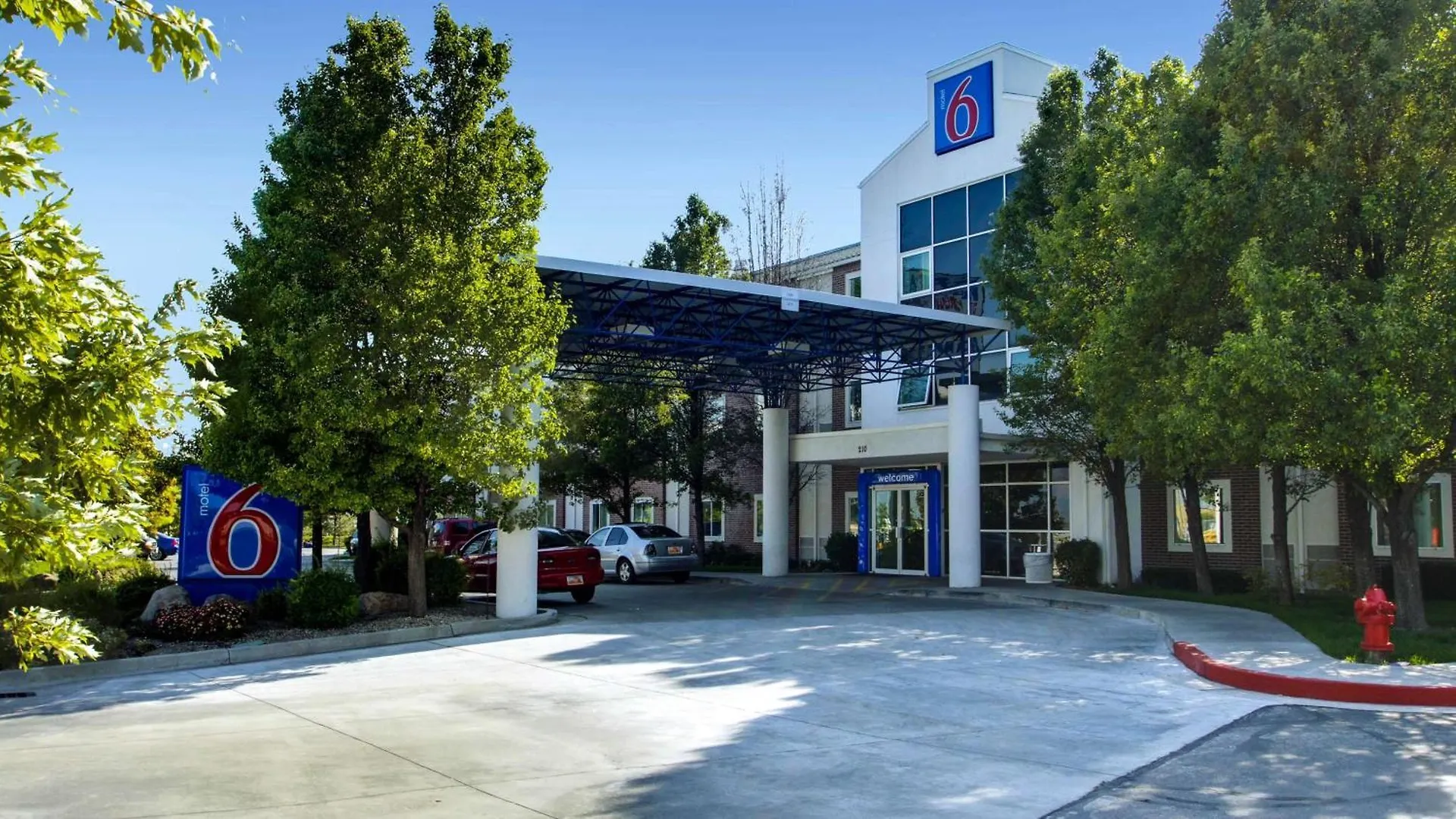
1. Motel 6 Lehi, Ut - Thanksgiving Point
Show on map


 Check-infrom 15:00 until 23:59Check-outuntil 11:00
Just a few rooms left at the best rate!
fromUS$ 60
-
2. Motel 6-Nephi, Ut
Show on map


 Check-infrom 13:00 until 23:59Check-outuntil 11:00
Just a few rooms left at the best rate!
fromUS$ 55
-
3. La Quinta By Wyndham Kanab
Show on map


 Check-infrom 15:00 until 23:59Check-outuntil 11:00
Just a few rooms left at the best rate!
fromUS$ 80
Best Premium Stays
These properties offer elevated amenity packages - indoor pools, hot tubs, fitness centers, and included breakfast - in well-connected Utah locations that justify the higher nightly rate for comfort-focused travelers.
-
4. Hampton Inn And Suites Logan, Ut
Show on map


 Check-infrom 15:00 until 23:59Check-outuntil 11:00
Hurry – almost gone at this price!
fromUS$ 119
-
5. Hampton Inn Brigham City
Show on map


 Check-infrom 15:00 until 23:59Check-outuntil 12:00
Hurry – almost gone at this price!
fromUS$ 104
-
6. Springhill Suites By Marriott Salt Lake City Draper
Show on map


 Check-infrom 15:00 until 23:59Check-outuntil 12:00
Hurry – almost gone at this price!
fromUS$ 97
-
7. Hampton Inn and Suites Salt Lake City/Farmington
Show on map


 Check-infrom 15:00 until 23:59Check-outuntil 11:00
Rooms filling fast – secure the best rate!
fromUS$ 169
-
5. Best Western Duchesne Inn
Show on map


 Check-infrom 15:00 until 23:59Check-outfrom 06:00 until 11:00
Rooms filling fast – secure the best rate!
fromUS$ 84
Smart Travel & Timing Advice for Utah Hotels
Utah's travel calendar splits cleanly into three windows. Peak season runs from mid-May through September, when national park crowds are at their heaviest, timed-entry permits are required at Zion and Arches, and hotel rates across the state climb sharply - particularly in southern Utah near Kanab and in the Salt Lake City corridor during summer festivals. Booking around 8 weeks ahead for any summer stay at a hotel with a pool and included breakfast is the minimum safe lead time; popular properties in Kanab and Farmington sell out faster than that.
The shoulder windows - mid-September through October and late March through early May - offer the best combination of accessible trails, manageable crowds, and stable hotel pricing. Fall foliage in the Wasatch Mountains and Cache Valley peaks in late October and pulls demand toward Logan and Brigham City. Winter stays in Draper and Farmington unlock proximity to world-class ski resorts within the Salt Lake valley - Snowbird, Alta, and Park City are all within 45 minutes - at hotel rates that run meaningfully lower than summer peaks. For Duchesne and the Uinta Basin, late June through August is the practical outdoor activity window before early snowfall closes higher elevation routes, so plan accordingly and book at least 4 weeks out for that corridor.


