Washington State sits at a crossroads of Pacific Northwest history - from Victorian-era port towns like Port Townsend to Columbia River Gorge lodges built in the early 20th century. Whether you're tracing the Lewis and Clark trail, exploring volcanic landscapes near Mount St. Helens, or visiting the tulip fields of Skagit Valley, the region offers historically rooted accommodations that place you directly inside the story. This guide covers 11 hotels with genuine historic character across Washington State, helping you match the right property to your itinerary and travel style.
What It's Like Staying in Washington State
Washington State rewards slow travelers - those willing to drive scenic byways, stop at volcanic monuments, and sleep in buildings that predate Interstate 5. The state's geography divides sharply: west of the Cascades is wet, forested, and ferry-connected; east is high desert, orchard country, and wide-open sky. Getting between regions takes time, so where you base yourself matters enormously. Most historic properties are clustered in small towns - Port Townsend, La Conner, Carson, Stevenson - which means you'll need a car for nearly every itinerary.
Pros:
- Diverse landscapes within a single state - coast, mountains, desert, river gorges - reachable from historically significant lodging
- Small-town historic hotels often include free parking and breakfast, cutting daily costs noticeably
- Ferry and highway networks connect the Olympic Peninsula and Puget Sound towns without requiring backtracking through Seattle
Cons:
- Rural historic properties can be far from urgent services - plan fuel stops and grocery runs in advance
- Washington's west side receives heavy rainfall from October through April, limiting outdoor activities around many historic sites
- Some smaller historic motels lack air conditioning, which becomes uncomfortable during Eastern Washington summers exceeding 100°F
Why Choose Historic Hotels in Washington State
Historic hotels in Washington State aren't simply old buildings - they're positioned inside the destinations themselves, often within walking distance of the landmarks, trails, and town centers that justify the trip. A stay at a property near Fort Worden, Mount St. Helens, or the Columbia River Gorge means you're already embedded in the experience rather than commuting to it. Rates at historic properties in small Washington towns can run significantly below comparable Seattle accommodations, often around 40% less, without sacrificing character. The trade-off is that amenities tend toward the practical - free Wi-Fi, on-site diners, continental breakfasts - rather than full-service hotel luxury.
Pros:
- Properties are typically within a short walk or drive of major natural and historic attractions, reducing transit time
- On-site restaurants and diners at several historic Washington hotels remove the need to search for food in remote areas
- Rooms often feature local character - retro décor, harbor views, mountain outlooks - that chain hotels in the region cannot replicate
Cons:
- Older buildings may lack soundproofing, a real issue in properties along Highway 101 or Interstate 5 corridors
- Booking windows are short in peak summer months - popular properties near volcanic monuments or ferry terminals fill fast
- Not all historic properties have been fully modernized; check amenity lists carefully before booking if accessibility or climate control matters
Practical Booking & Area Strategy
Washington State's historic hotels cluster in four geographic zones worth understanding before you book. The Olympic Peninsula and Puget Sound towns - Port Townsend, Shelton, La Conner - suit travelers doing ferry routes or coastal loops; Port Townsend's Victorian downtown is one of the most intact 19th-century commercial districts in the American West. The Columbia River Gorge corridor - Stevenson, Carson - is best for hikers targeting the 70-plus waterfalls in the Gorge National Scenic Area or the hot springs near the Oregon border. The I-5 corridor properties in Kelso, Longview, and Castle Rock function as overnight stops for Mount St. Helens day trips, just around 30 minutes from the volcanic monument. Further east, Omak sits near the Colville Reservation and serves travelers heading toward the Canadian border or the Okanogan Highlands. Book at least 6 weeks ahead for summer stays near Mount St. Helens or the Columbia Gorge - these corridors surge in July and August.
Best Value Historic Stays
These properties offer the strongest combination of historic character, included amenities, and accessible pricing across Washington State - making them the most practical starting points for budget-conscious travelers who still want a grounded, place-specific experience.
-
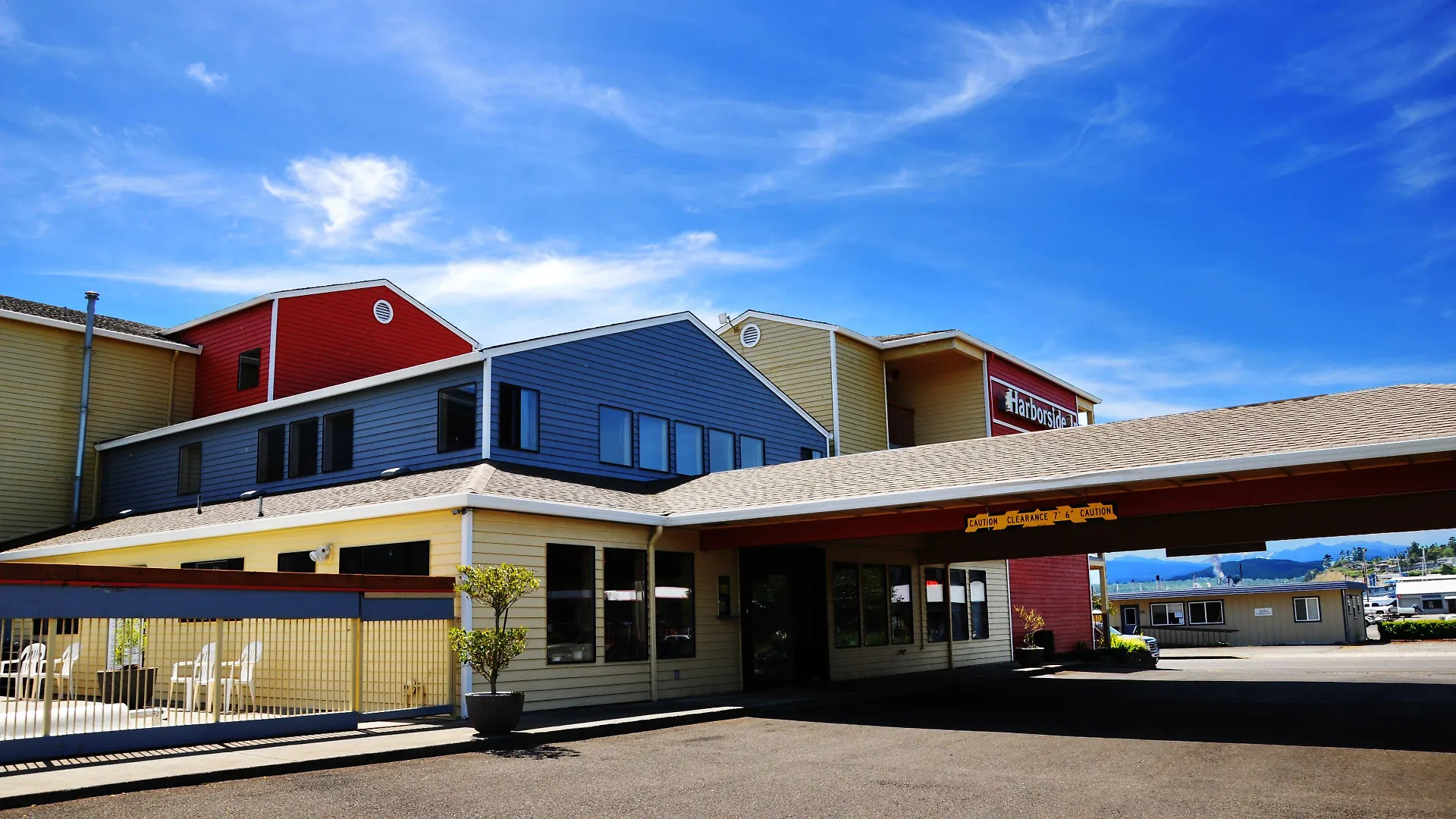
1. Harborside Inn
Show on map


 Check-infrom 16:00 until 23:59Check-outuntil 11:00
Rooms filling fast – secure the best rate!
fromUS$ 79
-
2. Quality Inn & Suites Longview Kelso
Show on map


 Check-infrom 15:00 until 23:59Check-outuntil 11:00
Hurry – almost gone at this price!
fromUS$ 100
-
3. Inn At Salmon Creek
Show on map


 Check-infrom 15:00 until 23:59Check-outuntil 11:00
Best price guarantee
fromUS$ 149
-
4. Timberland Inn & Suites
Show on map


 Check-infrom 15:00 until 23:30Check-outfrom 07:00 until 11:00
Hurry – almost gone at this price!
fromUS$ 106
-
5. Shelton Inn
Show on map


 Check-infrom 15:00 until 21:00Check-outuntil 11:00
Just a few rooms left at the best rate!
fromUS$ 120
-
6. Omak Inn
Show on map


 Check-infrom 15:00 until 23:59Check-outuntil 11:00
Rooms filling fast – secure the best rate!
fromUS$ 64
Best Premium Historic Stays
These properties deliver a more immersive historic experience - resort-scale amenities, distinctive settings, and access to Washington's most dramatic natural landmarks - making them the right choice for travelers who want the destination to start at check-in.
-
7. Comfort Inn & Suites Kelso - Longview
Show on map


 Check-infrom 15:00 until 23:59Check-outuntil 11:00
Just a few rooms left at the best rate!
fromUS$ 92
-
2. The La Conner Inn
Show on map


 Check-infrom 16:00 until 22:00Check-outuntil 11:00
Rooms filling fast – secure the best rate!
fromUS$ 289
-
3. Carson Hot Springs Resort & Spa
Show on map


 Check-infrom 16:00 until 22:30Check-outfrom 09:00 until 12:00
Hurry – almost gone at this price!
fromUS$ 107
-
4. Skamania Lodge
Show on map


 Check-infrom 16:00 until 23:59Check-outuntil 11:00
Just a few rooms left at the best rate!
fromUS$ 179
Smart Travel & Timing Advice for Washington State Historic Hotels
July and August are the peak months across all of Washington State's historic hotel corridors - Mount St. Helens visitor numbers surge, the Columbia River Gorge fills with hikers, and La Conner sees heavy summer tourism after the spring tulip bloom. Rates at popular properties can rise significantly during these months, and availability near volcanic monuments or ferry terminals tightens weeks in advance. The Skagit Valley tulip season in April creates a secondary peak around La Conner - book that corridor at least 6 weeks ahead if traveling in early spring. September and October offer the most favorable conditions for the Columbia Gorge and Cascade foothills: crowds drop noticeably after Labor Day, fall colors begin in October, and properties like Carson Hot Springs and Skamania Lodge often have better weekend availability. The Olympic Peninsula and Port Townsend are reasonable year-round due to the microclimate in the rain shadow, though winter ferry schedules reduce frequency. For Eastern Washington properties like Omak Inn, avoid mid-July through August if heat sensitivity is a concern - temperatures regularly exceed 100°F in the Okanogan Valley. A minimum of 2 nights is recommended at any rural Washington historic property to justify drive times and fully engage with surrounding attractions.